
Top Travel Tips for Elite Equestrian Competitions

Traveling to elite equestrian competitions demands more than just packing your riding gear and horse tack. It requires careful planning, attention to detail, and a clear strategy to ensure both you and your horse perform at your best. Whether you are heading to a national championship or an international event, the logistics can be complex. This guide offers practical travel tips to help riders navigate the challenges of competing at the highest level.
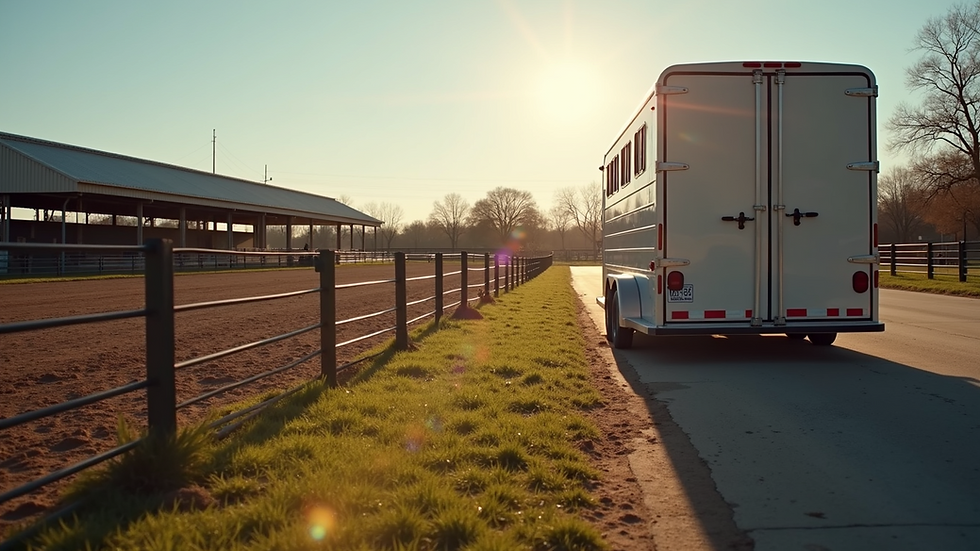
Plan Your Travel Schedule Early
Timing is critical when traveling with horses. Start by booking your transportation and accommodations well in advance. Popular competitions often fill up quickly, and last-minute arrangements can lead to stress and higher costs.
Reserve stabling and accommodations early: Many venues offer limited stabling spaces. Confirm your spot as soon as possible.
Allow extra travel time: Traffic, weather, and unexpected delays can affect your schedule. Plan to arrive at least a day before your competition to give your horse time to settle.
Coordinate with your team: If you have grooms, trainers, or support staff, ensure everyone’s travel plans align to avoid last-minute confusion.
Choose the Right Transportation for Your Horse
The comfort and safety of your horse during travel can impact performance. Selecting the right mode of transportation depends on distance, budget, and your horse’s temperament.
Horse trailers: Ideal for road trips, trailers should be well-maintained and spacious enough for your horse to stand comfortably. Check tires, brakes, and ventilation before departure.
Air travel: For long distances, air transport is faster but requires more preparation. Use experienced equine air transport services that specialize in handling competition horses.
Train or ferry options: In some regions, trains or ferries offer alternatives. Verify their policies on horse transport and ensure they meet your horse’s needs.
Prepare Your Horse for Travel
Travel can be stressful for horses, so preparation is key to minimizing anxiety and physical strain.
Condition your horse: Gradually expose your horse to the trailer or transport method before the trip. Short practice trips help build familiarity.
Pack essential supplies: Bring feed, water, hay, grooming tools, and any medications your horse requires. Include a first aid kit tailored for equine needs.
Monitor health: Have a veterinarian check your horse before travel. Keep vaccination and health certificates handy, especially for international events.
Organize Your Equipment Efficiently
Packing for an elite competition involves more than just your riding clothes and tack. Organization saves time and reduces stress at the venue.
Create a checklist: List all items including saddles, bridles, grooming kits, boots, helmets, and show attire.
Use labeled containers: Separate equipment by category and label boxes or bags for quick access.
Prepare for weather changes: Pack rain gear, sun protection, and extra layers for both you and your horse.
Manage Your Personal Travel Needs
Your comfort and readiness affect your performance. Plan your personal travel with the same care as your horse’s.
Choose convenient accommodations: Stay close to the competition venue to minimize commute time.
Maintain a healthy routine: Eat well, stay hydrated, and get enough rest before and during the event.
Pack smart: Include comfortable clothing for downtime, chargers for devices, and any personal care items.
Navigate Competition Day Logistics
Competition day can be hectic. Having a clear plan helps you stay focused and calm.
Arrive early: Give yourself time to warm up your horse and complete any registration or veterinary checks.
Set up a comfortable stall: Bring familiar bedding and toys to keep your horse relaxed.
Stay organized: Keep your equipment and paperwork in one place to avoid last-minute scrambling.
Handle Unexpected Challenges
Even with the best planning, surprises happen. Being prepared helps you respond effectively.
Have backup equipment: Carry spare reins, bits, and grooming tools.
Know emergency contacts: Keep phone numbers for veterinarians, farriers, and event officials handy.
Stay flexible: Adjust your schedule if delays or issues arise, and maintain a calm attitude to support your horse.
Focus on Recovery After Travel and Competition
Post-competition care is essential for your horse’s well-being and future performance.
Cool down properly: Walk your horse and provide water after exercise.
Check for injuries: Inspect hooves, legs, and body for any signs of strain or injury.
Allow rest: Give your horse time to recover before the next event or travel.
Traveling to elite equestrian competitions requires detailed preparation and a calm mindset. By planning early, choosing the right transportation, and organizing both your horse’s and your own needs, you set the stage for success. Remember, every detail counts when competing at the highest level. Take these tips to heart and make your next competition trip smoother and more enjoyable.

Comments